Garden Hose Nozzle Spray Patterns Explained: Which Setting to Use
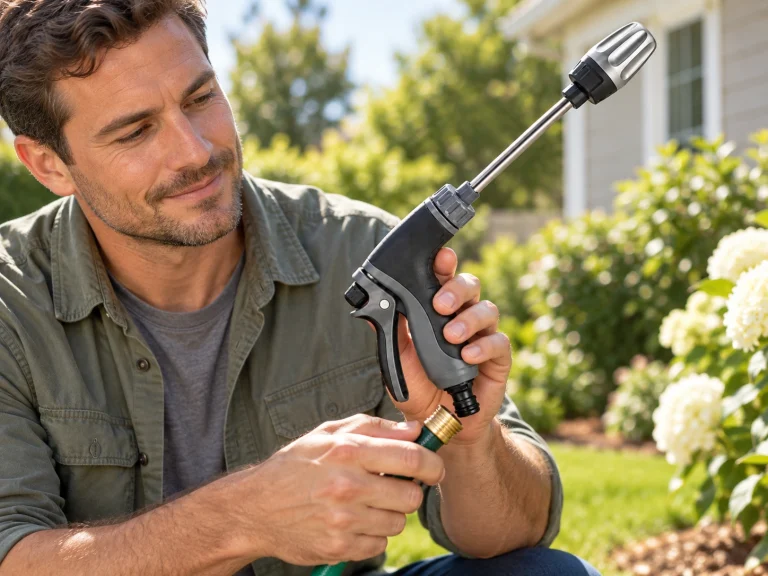
A garden hose nozzle changes the shape, coverage, and concentration of the water coming from your hose. It does not turn normal household water into pressure-washer output. The useful part is control: a mist is gentle enough for delicate plants, a shower covers a wider area, and a focused stream can help with durable outdoor cleaning jobs.
Pattern names vary by manufacturer, but most multi-pattern nozzles use versions of mist, shower, cone, flat or fan, full, center or stream, soaker, and jet. Some nozzles combine several of these while simpler designs move from a wide spray to a narrow stream by twisting the head.
What Changes When You Change the Spray Pattern?
The nozzle changes the opening through which water leaves. A wider pattern spreads the available flow across a larger area and usually feels gentler at the target. A narrow stream concentrates more of that flow into a smaller area, so it can reach farther and move dirt more effectively. It does not turn normal household water into pressure-washer output.
Purdue’s technical material on spray nozzles describes three basic pattern families: solid stream, fan, and cone. Garden hose products use consumer-friendly versions of the same ideas. The exact force still depends on the household supply, hose diameter and length, restrictions, fittings, and how far the tap is open.
Mist: Best for Delicate Watering
Mist breaks the flow into very fine droplets. It is useful for seedlings, freshly started plants, and situations where a heavy stream could disturb soil. Because fine droplets drift more easily, use mist close to the target and avoid wasting water in wind.
Mist is not a good cleaning pattern for stuck-on dirt. It offers coverage, not concentrated rinsing force.
Shower: A Good General Watering Pattern
Shower spreads multiple soft streams across a moderate area. It is a useful all-purpose setting for established flowers, containers, shrubs, and garden beds. It gives better coverage than a narrow stream while remaining gentler on foliage and soil.
For outdoor cleaning, shower can also be useful for a final rinse when you want to move soap away without blasting a delicate surface.
Cone: Broad, Controlled Coverage
A cone pattern sends water outward in a circular shape. It works well around shrubs, broad planting areas, and surfaces that need an even wetting pass. For cleaning, a cone can be useful when pre-wetting an area before applying soap or when rinsing a larger surface with moderate force.
Flat or Fan: Wide Rinsing
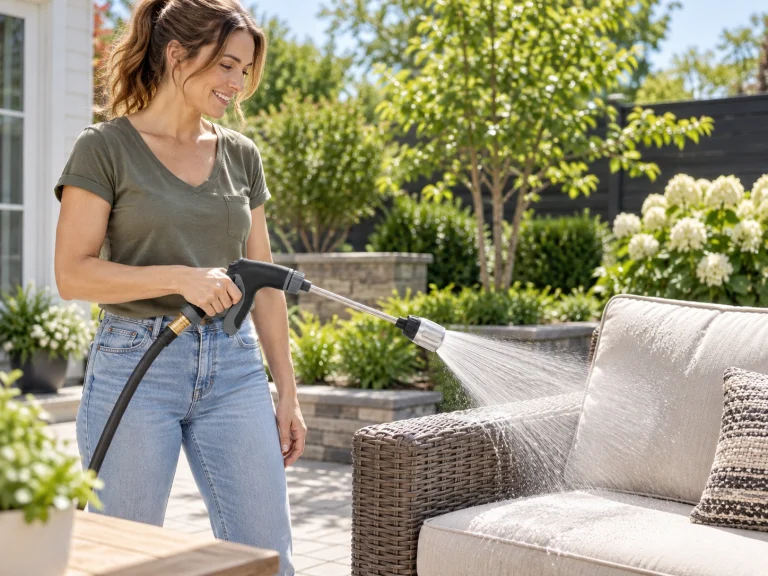
Flat and fan patterns spread water sideways. The result is useful for sweeping loose material across a wider strip, rinsing cars, patio furniture, siding, and broad hard surfaces. A fan pattern is usually easier to control around paint and finishes than a pinpoint stream.
When washing a vehicle, start with a broad rinse rather than a concentrated jet close to paint, seals, trim, or damaged areas. The nozzle is there to move loose dirt, not replace safe contact-washing technique.
Center or Stream: Focused Watering

Center and stream settings direct water into a smaller target. They are useful for reaching the base of a plant, filling containers, or rinsing a specific spot. Compared with a fan, the stream feels stronger because the same available water is concentrated into less area.
Use that concentration carefully around soft soil, delicate finishes, window seals, and loose material.
Jet: For Durable Cleaning Jobs
Jet is the narrowest and most concentrated common setting. Use it for durable hard surfaces, muddy tools, and reaching farther distances, not for delicate plants. The tighter stream can help dislodge loose grime from durable surfaces.
Do not assume the strongest setting is automatically the fastest or safest. Very narrow streams can splash dirt back at you, push water into gaps, and damage fragile finishes if held too close.
Soaker or Full Flow: Low-Force Volume
A soaker or full-flow mode moves water with less concentration. This is useful around roots, for filling a bucket, or when you need volume more than reach. Names differ by nozzle, so look at the actual spray rather than relying only on the label.
Which Pattern Should You Use for Outdoor Cleaning?
- Car: broad fan or shower for pre-rinsing and final rinsing.
- Patio: fan for general rinse, tighter stream only on durable areas that need extra attention.
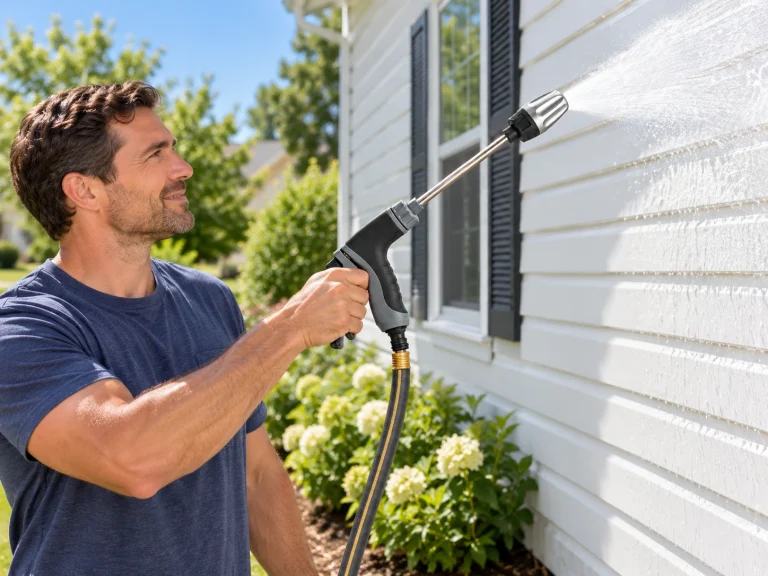
- Siding: broad controlled spray directed level or downward, not upward behind panels.
- Outdoor furniture: broad gentle spray unless the manufacturer allows stronger rinsing.
- Garden tools: stream or jet can help on durable metal and plastic surfaces.
Distance Changes the Result Too
The same nozzle setting behaves differently at six inches and six feet. A concentrated stream is strongest close to the nozzle and spreads as it travels. Start farther away, especially on painted, sealed, woven, or unfamiliar surfaces. Move closer only if the material can handle it.
For plants, the opposite problem can happen: holding a mist too far away wastes water to drift and evaporation. Match both the pattern and the working distance to the job.
Flow Control Matters as Much as the Pattern
If your nozzle has a separate flow control, you do not need to run every pattern at maximum flow. Lower flow can make a shower gentler around plants or reduce splash while rinsing furniture. For cleaning, increasing the tap or flow control may help only until the plumbing and hose reach their available flow limit.
Do Spray Patterns Increase Water Pressure?
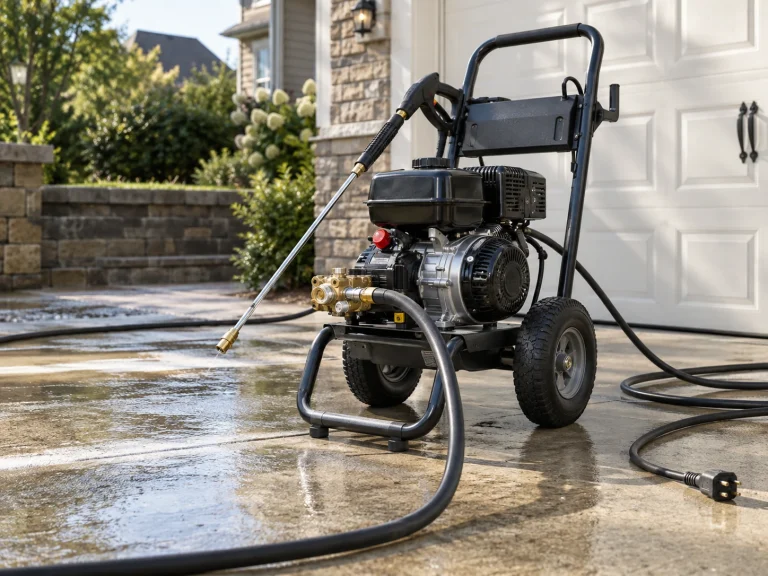
No. A nozzle can make the water feel more forceful by reducing the outlet size and concentrating the stream, but it does not create the pump-driven pressure of a pressure washer. That distinction is important. If the source pressure is low, a nozzle cannot manufacture pressure that is not there.
Choose the Gentlest Pattern That Does the Job
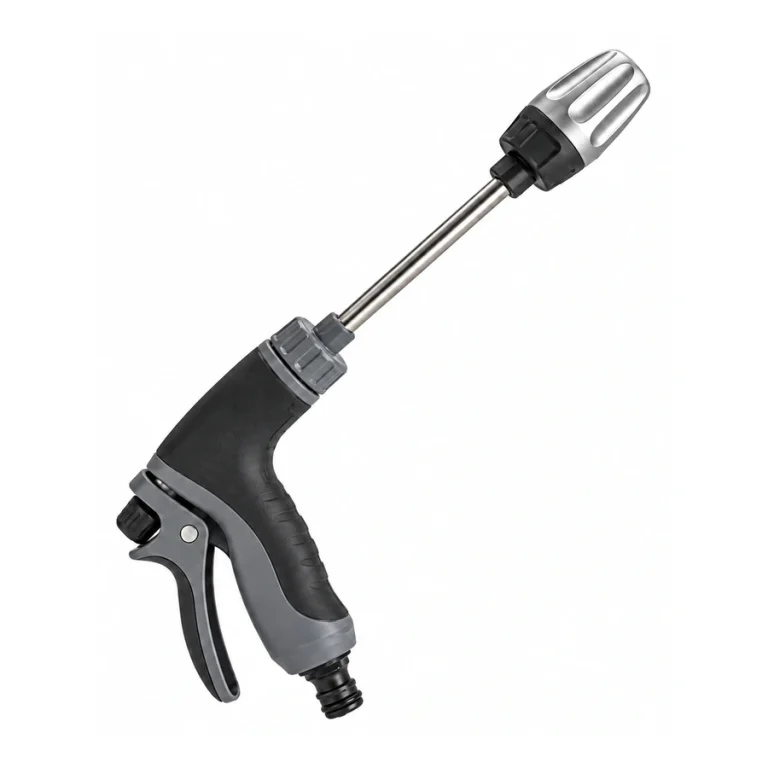
For most tasks, start broad and gentle, then increase concentration only when needed. This protects plants, paint, seals, joints, and furniture while still giving you useful control. If you want an adjustable hose-based tool for routine outdoor rinsing and cleaning, see HoseHawk Pro and match the spray to the surface instead of using maximum force by default.
Related reading: garden hose nozzle spray patterns, pressure washer vs garden hose nozzle.